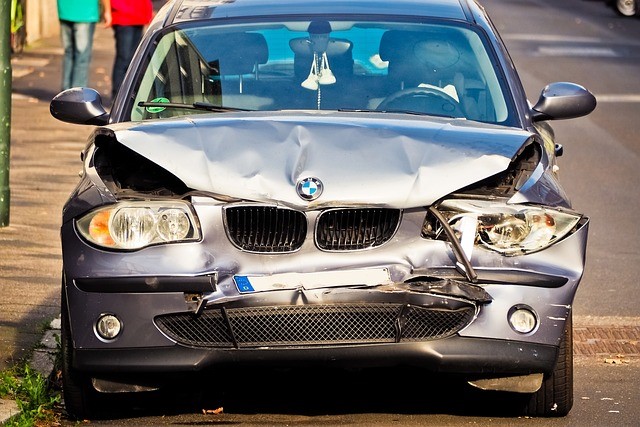
 Head-on collisions are some of the most terrifying and devastating car accidents. They occur when the front ends of two vehicles crash into each other, typically at high velocities. These types of accidents can result in severe injuries, significant property damage, and considerable emotional distress.
If you’re unfortunate enough to be involved in a head-on collision, understanding how comparative fault works can significantly impact your ability to recover compensation for your losses.
What is Comparative Fault?
Before you seek the help of a car accident lawyer, you should know what comparative fault is about. Basically, it’s a legal principle that applies in most states across the US. It essentially means that both parties involved in an accident can share some of the blame. The percentage of fault assigned to each party determines how much compensation they can recover from the other driver’s insurance company.
How Does Comparative Fault Affect Your Head-On Collision Claim?
In a perfect scenario, the other driver would be held entirely at fault (100%), and their insurance company would be responsible for covering all your damages. However, things can get more complicated.
Imagine you were speeding slightly at the time of the accident. The police investigation and evidence might determine you were 10% at fault for the collision. Here’s how comparative fault would affect your claim:
Damages Assessment
First, an adjuster will assess the total cost of your damages, including medical bills, car repairs, lost wages, and pain and suffering.
Percentage of Fault Applied
Then, they’ll apply the percentage of fault assigned to you (10% in this example) to your total damages.
Reduced Compensation
This means your final compensation will be reduced by 10%. So, if your total damages amounted to USD$100,000, you’d receive USD$90,000 from the other driver’s insurance company.
Comparative fault reduces your compensation by the percentage of your fault in the accident. This approach ensures a fair distribution of liability based on each party’s contribution to the collision.
What if You’re More Than 50% at Fault?
Comparative fault laws vary slightly from state to state. However, most follow a modified comparative negligence system. This means that if you’re found to be more than 50% at fault for the head-on collision, you’ll likely be barred from recovering any compensation from the other driver’s insurance company.
How to Protect Your Rights After a Head-On Collision
Following a head-on collision, it’s crucial to take steps to protect your rights and maximize your chances of getting fair compensation. Here’s what you can do:
Seek Medical Attention
Your health is the top priority. Get a thorough medical evaluation to diagnose and document any injuries you sustained.
Gather Evidence
Take photos of the accident scene, your vehicle damage, and any visible injuries. Collect names and contact information of witnesses.
Contact Your Insurance Company
Inform your insurance company about the accident and cooperate with their investigation.
Consider Consulting an Attorney
An experienced personal injury lawyer specializing in head-on collisions can guide you through the legal process, negotiate with the insurance company on your behalf, and ensure you receive the compensation you deserve.
Evidence is critical in a head-on collision claim. The more documentation you have, the stronger your case will be. An attorney can help you gather and present evidence effectively.
Additional Factors Affecting Your Claim
Several other factors can influence your head-on collision claim besides the percentage of fault assigned. These include:
Severity of Injuries
The extent of your injuries significantly impacts the value of your claim. More severe injuries, such as broken bones, traumatic brain injuries (TBIs), or spinal cord injuries, typically lead to higher compensation compared to minor cuts and bruises. The long-term prognosis of your injuries and any required rehabilitation will also be considered.
Lost Wages
If you were unable to work due to your injuries, lost wages can be factored into your claim. This includes both salary and benefits you would have earned during your recovery period. Documentation from your employer will be helpful in establishing lost wages.
Property Damage
The cost of repairing or replacing your vehicle will be covered by your own collision insurance or the at-fault driver’s insurance, depending on the circumstances.
Pain and Suffering
This element accounts for the physical discomfort and emotional suffering you’ve experienced as a result of the accident. The severity of your injuries, the duration of your pain, and any emotional distress you’ve experienced (such as anxiety or PTSD) will all be taken into account when calculating pain and suffering damages.
The value of your claim is influenced by the severity of your injuries, any lost wages, property damage, and pain and suffering. These factors help determine the overall injury compensation you may receive.
The Bottom Line
Head-on collisions are serious accidents, and the legal aftermath can be complex. Understanding comparative fault and its impact on your claim is crucial. By taking the right steps after the accident, such as seeking medical attention, gathering evidence, and considering legal counsel, you can increase your chances of receiving fair compensation for your losses.