Knowing how often your vehicle needs maintenance is one of the easiest ways to extend its life, and few services matter more than a professional oil change. Engine oil lubricates moving parts, reduces friction, prevents overheating, and helps keep internal components clean. But with modern engines, synthetic oils, and changing driving habits, the old “every 3,000 miles” rule no longer applies to everyone. So how often should you really get a professional oil change? The answer depends on several key factors.
Why Oil Changes Are So Important
Engine oil does much more than just lubricate. Over time, oil collects dirt, metal particles, and combustion byproducts. As oil degrades, it loses its ability to protect the engine effectively. Skipping or delaying oil changes can lead to sludge buildup, reduced fuel efficiency, overheating, and in severe cases, engine failure. Regular oil changes are a relatively small investment compared to the high cost of major engine repairs.
A professional oil change ensures not only fresh oil but also proper disposal of old oil, replacement of the oil filter, and a quick inspection that may catch small issues before they become expensive problems.
General Mileage Guidelines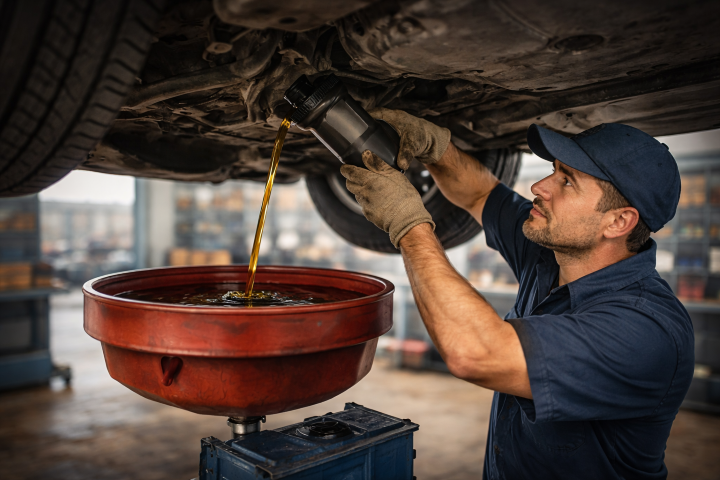
For most modern vehicles, oil change intervals fall into one of these ranges:
- Conventional oil: Every 3,000–5,000 miles
- Synthetic blend oil: Every 5,000–7,500 miles
- Full synthetic oil: Every 7,500–10,000 miles (sometimes more)
These are general estimates. Many newer vehicles equipped with advanced engines and oil-life monitoring systems can safely go longer between changes when using high-quality synthetic oil. Always check your owner’s manual for manufacturer-specific recommendations.
Driving Habits Matter More Than You Think
Mileage alone doesn’t tell the full story. How and where you drive plays a major role in how quickly oil breaks down.
You may need more frequent oil changes if you:
- Take mostly short trips (less than 5 miles)
- Drive in heavy traffic or stop-and-go conditions
- Tow trailers or haul heavy loads
- Drive in extremely hot, cold, dusty, or humid environments
- Frequently idle your vehicle for long periods
These conditions are considered “severe driving,” even if you don’t rack up high mileage. In such cases, oil degrades faster, making more frequent oil changes necessary.
Conventional vs. Synthetic Oil
The type of oil in your engine significantly affects how often you need service. Conventional oil is cheaper but breaks down faster under heat and stress. Synthetic oil is engineered to resist breakdown, flow better in cold temperatures, and provide superior protection in high heat.
If your vehicle requires synthetic oil, stretching oil change intervals is generally safe when following manufacturer guidelines. However, even synthetic oil shouldn’t be ignored indefinitely. Time, contamination, and driving conditions still matter.
Oil Life Monitoring Systems
Many modern vehicles include oil life monitoring systems that track engine conditions such as temperature, driving style, and engine load. These systems estimate when oil performance has declined enough to require a change. While these systems are helpful, they are still estimates—not direct oil quality measurements.
If your dashboard indicates it’s time for an oil change, it’s best not to delay. Trusting the system while combining it with regular professional inspections gives you the best of both worlds.
Time-Based Oil Changes
Even if you don’t drive much, oil still degrades over time due to moisture accumulation and oxidation. For low-mileage drivers, a good rule of thumb is:
- Change oil at least once every 6–12 months, regardless of mileage
This is especially important for vehicles that sit unused for long periods, as moisture and contaminants can cause corrosion inside the engine.
Why Choose a Professional Oil Change?
While some drivers prefer DIY oil changes, professional service offers clear advantages. Trained technicians ensure the correct oil type and viscosity are used, replace the oil filter properly, and inspect for leaks, worn belts, low fluids, or other developing issues. Many shops also reset oil life indicators and keep service records, which can be valuable for resale or warranty purposes.
A professional oil change saves time, eliminates mess, and adds an extra layer of protection through routine inspections that most DIY approaches miss.
Signs You May Be Overdue
Even if you’ve lost track of your schedule, your car may warn you when it’s overdue for service. Watch for:
- Engine noise or knocking
- Dirty, dark, or gritty oil on the dipstick
- Oil or maintenance warning lights
- Reduced fuel efficiency
- Burning oil smell
Ignoring these signs can lead to long-term damage that far outweighs the cost of regular maintenance.
Final Thoughts
There is no single oil change interval that fits every vehicle or driver. Most cars benefit from oil changes every 5,000–10,000 miles depending on oil type, driving conditions, and manufacturer guidance. Severe driving, short trips, and extreme climates often require more frequent service.
The safest approach is a combination of following your owner’s manual, paying attention to oil life indicators, and scheduling a professional oil change at sensible intervals. Consistent oil maintenance is one of the simplest ways to protect your engine, improve performance, and ensure your vehicle stays reliable for years to come.