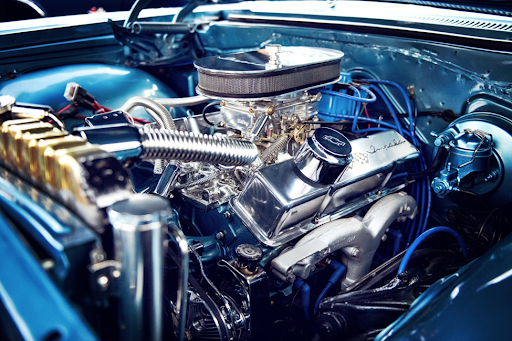
Diagnosing an engine control unit requires a systematic approach and a basic understanding of automotive electronics. This diagnostic process typically involves a combination of visual inspections, utilization of diagnostic tools, and technical knowledge, from recognizing common symptoms of ECU problems to employing diagnostic scanners and interpreting error codes.
While diagnosing an ECU issue can be complex and occasionally require professional expertise, you can resolve minor issues independently by enhancing your understanding of your vehicle’s ECU. However, ECU diagnostics may also demand that you seek software engineering services to effectively address engine performance problems confidently. Here are four tips on how to diagnose your engine control unit:
1. Analyze Diagnostic Trouble Codes (DTCs)
When a malfunction occurs, the ECU generates DTCs to indicate the specific issue or fault within the engine system. By examining these codes, you gain access to valuable insights that assist in identifying the root cause of the issue such that to facilitate accurate and targeted repairs. DTC analysis involves decoding and interpreting the alphanumeric codes provided by the ECU. These codes offer a detailed snapshot of the engine’s condition, highlighting areas of concern such as sensor malfunctions, electrical failures, or mechanical faults.
You can utilize specialized diagnostic tools and software to retrieve and interpret these codes, allowing you to make informed decisions and proceed with the appropriate repair procedures. DTC analysis helps reduce the diagnostic time and effort required as it narrows down the possible causes and directs the focus toward the specific system or component requiring attention.
2. Component Testing
ECU problems can arise from faulty sensors, actuators, or wiring harnesses connected to the unit. It’s essential to perform component testing to rule out these potential causes. Compare the readings with the manufacturer’s specifications to identify any deviations. If a sensor or actuator is out of range, replacing the component or repairing the wiring may be necessary. Component testing ensures the ECU receives accurate data from the engine’s various systems, promoting optimal performance.
By subjecting each component to rigorous testing, you can simulate real-world conditions and uncover hidden issues that can cause sporadic malfunctions. Component testing plays a vital role in diagnosing engine control unit problems. Component testing is a comprehensive approach to identifying faults within the ECU’s individual components, enabling you to efficiently and effectively address issues, restore optimal engine performance, and ensure the safety and reliability of your vehicle.
3. Check for Performance Issues
Always pay attention if your vehicle shows any performance issues. Common signs of ECU problems include rough idling, reduced power, poor fuel efficiency, difficulty starting, or even an illuminated check engine light. Monitor your vehicle closely for any unusual behavior or patterns, such as sudden engine stalls or intermittent loss of power. Keep a log of these symptoms, including when they occur, under what conditions, and any accompanying warning lights. This information will aid in diagnosing the root cause of the problem and provide valuable insights to professional technicians if necessary.
4. Seek Professional Assistance
While some ECU issues can be diagnosed and resolved by vehicle owners, others may require the expertise of a professional mechanic or technician. If you have exhausted all troubleshooting steps without success or lack the necessary equipment and technical knowledge, it is advisable to seek professional assistance. Automotive service centers and dealerships have specialized diagnostic tools and experienced technicians who can perform in-depth ECU diagnostics. They can utilize advanced scanning equipment, perform live data analysis, and pinpoint the exact cause of the problem. Additionally, professionals can access manufacturer-specific technical resources and software updates, ensuring accurate diagnosis and repair.
Endnote
Diagnosing ECU problems is an essential skill for any vehicle owner, enabling you to identify issues early on and take appropriate action. Analyze diagnostic trouble codes, perform component testing, pay attention to symptoms, and seek professional assistance if necessary. Remember, timely diagnosis and repair not only promotes the longevity of your vehicle’s ECU but also contributes to its overall performance and fuel efficiency.