Image source: Dreamstime Stock Photos
A car endures a surprising amount of daily chaos. It bakes under summer heat, shivers through winter mornings, survives potholes large enough to deserve postal codes, and patiently tolerates drive-thru coffee spills that somehow reach places physics should not allow. Despite all that, most vehicles will remain dependable for years when given consistent care.
Keeping your car running smoothly year-round is not about becoming a master mechanic or spending every weekend buried under the hood with a flashlight clenched between your teeth. It is about developing a few smart habits that protect your investment, improve safety, and help you avoid expensive repairs later.
Routine maintenance can also improve fuel economy, extend the lifespan of your vehicle, and make everyday driving far more enjoyable. Whether you commute daily, travel frequently, or simply want your car to remain reliable for as long as possible, these maintenance tips can help keep everything running like a well-rehearsed orchestra instead of a shopping cart full of loose bolts.
Drivers focused on long-term vehicle reliability may also benefit from learning how maintenance and repair costs affect overall vehicle ownership over time.
Stay Consistent With Oil Changes
Oil is one of the most important fluids in your vehicle. It lubricates engine components, reduces friction, helps regulate temperature, and prevents excessive wear.
Over time, oil breaks down and becomes contaminated with dirt, debris, and microscopic metal particles. When this happens, the engine has to work harder, which can eventually lead to damage.
Following your vehicle’s recommended oil change schedule is one of the easiest ways to keep the engine healthy year-round.
Modern vehicles often use synthetic oil, which typically lasts longer than conventional oil. Still, driving habits, weather conditions, and mileage all affect how often oil changes are needed.
Signs your vehicle may need fresh oil include:
- Dark or dirty oil
- Louder engine noise
- Reduced fuel efficiency
- Burning smells
- Oil warning lights
Checking oil levels regularly can help catch problems early before they turn into costly repairs.
Monitor Tire Health Throughout the Year
Tires affect handling, braking, ride comfort, and fuel economy. They are also heavily influenced by seasonal temperature changes.
Cold weather can lower tire pressure, while hot pavement can increase wear and stress on the rubber.
Check Tire Pressure Monthly
Underinflated tires wear faster and reduce fuel efficiency. Overinflated tires can reduce traction and create uneven wear patterns.
Using a tire pressure gauge once a month takes only a few minutes and can improve both safety and performance.
Always use the PSI recommendation listed inside the driver-side door frame or owner’s manual rather than relying on the number printed on the tire itself.
Rotate Tires Regularly
Rotating tires every 5,000 to 8,000 miles helps ensure even tread wear and extends tire life.
Uneven tire wear can affect steering stability and handling, especially during wet or icy conditions.
Inspect Tread Depth
Worn tires struggle to maintain traction, particularly during rain or snow.
A simple tread inspection can help determine when replacement is necessary. Bald tires may save money temporarily, but they transform rainy roads into skating rinks with seatbelts.
Keep Fluids at Proper Levels
Vehicles rely on multiple fluids to operate correctly. Neglecting them can lead to overheating, brake issues, transmission damage, and other expensive problems.
Important fluids include:
- Engine oil
- Coolant
- Brake fluid
- Transmission fluid
- Power steering fluid
- Windshield washer fluid
Coolant Matters in Every Season
Many drivers think coolant only matters during summer, but it also protects the engine during freezing winter temperatures.
Low coolant levels can lead to overheating, poor heater performance, or serious engine damage.
Brake Fluid Is Critical for Safety
Brake fluid helps transfer force from the brake pedal to the braking system. If fluid becomes contaminated or low, braking performance can suffer.
Any signs of spongy brakes, leaks, or warning lights should be inspected promptly.
Transmission Fluid Protects Expensive Components
Transmission repairs are notoriously expensive. Regular fluid inspections and maintenance can help prevent premature wear and overheating.
If you notice slipping gears, delayed shifting, or strange noises, it is wise to investigate early.
The National Highway Traffic Safety Administration also provides vehicle maintenance, tire safety, and driving safety resources that help drivers maintain reliable vehicles year-round.
Replace Air Filters When Needed
Your vehicle uses both an engine air filter and a cabin air filter.
The engine air filter prevents dust and debris from entering the engine, while the cabin air filter helps clean the air circulating inside the vehicle.
Dirty air filters can reduce efficiency, airflow, and overall performance.
Replacing filters at recommended intervals is usually inexpensive and can improve fuel economy as well as interior comfort.
If you frequently drive on dusty roads, in heavy traffic, or during pollen-heavy seasons, filters may need replacement more often.
Pay Attention to Warning Lights
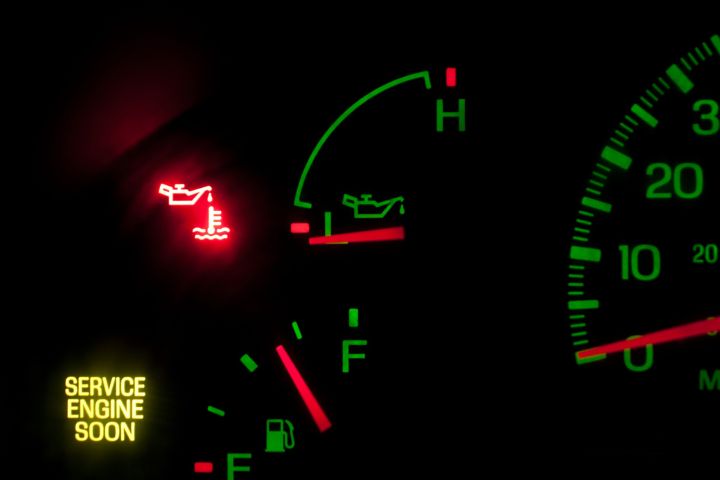
Dashboard warning lights are your car’s way of waving tiny illuminated flags before problems get worse.
While some warnings are minor, others indicate serious issues that should not be ignored.
Common warning lights include:
- Check engine light
- Battery warning light
- Tire pressure warning
- Oil pressure light
- Brake system warning
- Temperature warning
A flashing warning light often signals a more urgent problem than a steady one.
Ignoring warning lights can sometimes turn a relatively simple repair into a much larger mechanical disaster with a price tag that arrives like an uninvited dragon at a village festival.
Inspect Your Battery Before Problems Start
Car batteries often fail with theatrical timing. Rarely during pleasant afternoons. Frequently during freezing mornings or in parking lots two counties from home.
Extreme temperatures can shorten battery life and reduce performance.
Most batteries last between three and five years, though climate and driving habits play a major role.
Warning signs of a weak battery include:
- Slow engine cranking
- Dim headlights
- Electrical issues
- Corrosion on terminals
- Clicking sounds during startup
Cleaning battery terminals and testing battery health periodically can help prevent unexpected breakdowns.
Maintain Your Brakes
Brakes naturally wear over time, and catching problems early can save both money and safety headaches.
Common brake warning signs include:
- Squealing noises
- Grinding sounds
- Vibrations during braking
- Longer stopping distances
- Pulling to one side
Brake pads are designed to wear down gradually and should be inspected regularly.
Waiting too long to replace brake pads can damage rotors and increase repair costs dramatically.
If your car sounds like a metal orchestra tuning up every time you stop at a traffic light, it is probably time for an inspection.
Replace Windshield Wipers Regularly
Windshield wipers are often overlooked until the first major storm transforms the windshield into an abstract painting made of streaks and regret.
Wiper blades generally need replacement every six to twelve months depending on climate and usage.
Damaged blades reduce visibility and increase driver fatigue during poor weather conditions.
Signs you need new wipers include:
- Streaking
- Squeaking
- Skipping across glass
- Cracked rubber
- Reduced visibility
Good visibility is one of the simplest and most important aspects of safe driving year-round.
Wash Your Car Frequently
Keeping your car clean is not just cosmetic.
Road salt, dirt, mud, bird droppings, pollen, and tree sap can all damage paint and contribute to rust over time.
Winter Cleaning Matters
Road salt used during winter can accelerate corrosion, especially underneath the vehicle.
Regular washing during colder months helps remove salt buildup and protect metal surfaces.
Summer Sun Protection Helps Too
UV rays and heat can gradually fade paint and damage interior materials.
Waxing the vehicle periodically can help protect the exterior finish throughout the year.
Vacuuming and cleaning the interior also preserve upholstery, electronics, and overall comfort.
A clean car generally ages better and simply feels better to drive.
Follow the Manufacturer’s Maintenance Schedule
Every vehicle includes a recommended maintenance schedule designed specifically for its components and engineering.
This schedule may include:
- Oil changes
- Tire rotations
- Spark plug replacement
- Timing belt inspections
- Fluid flushes
- Brake inspections
- Belt and hose checks
Staying on schedule helps reduce the likelihood of unexpected failures.
Preventive maintenance is almost always cheaper than emergency repairs.
Drive More Smoothly
Aggressive driving habits place unnecessary stress on the engine, brakes, transmission, suspension, and tires.
Hard acceleration and sudden braking may feel dramatic, but they increase wear significantly over time.
Smoother driving habits help:
- Improve fuel efficiency
- Extend brake life
- Reduce tire wear
- Lower stress on suspension components
- Improve overall reliability
Your car appreciates gentle driving in much the same way your spine appreciates chairs with proper lumbar support.
Prepare for Seasonal Weather Changes
Different seasons create different maintenance priorities.
Winter Preparation
Before winter arrives, it helps to:
- Test the battery
- Check antifreeze levels
- Inspect tires
- Replace worn wiper blades
- Keep an emergency kit in the vehicle
Cold temperatures affect fluids, tire pressure, batteries, and traction.
Summer Preparation
Before summer, consider:
- Inspecting coolant levels
- Testing air conditioning performance
- Monitoring tire pressure
- Checking belts and hoses
Heat places extra strain on cooling systems and tires, especially during long trips.
Listen to Your Vehicle
Cars often provide warning signs before major problems develop.
Unusual noises, vibrations, smells, or handling changes should never be ignored.
Pay attention to:
- Grinding
- Knocking
- Squealing
- Hissing
- Clunking
- Burning smells
- Fluid leaks
Catching problems early can prevent larger mechanical failures later.
Final Thoughts
Keeping your car running smoothly year-round does not require perfection. It simply requires consistency.
Regular maintenance helps prevent breakdowns, improves safety, increases efficiency, and extends the life of your vehicle. Small efforts made consistently over time often prevent much larger expenses down the road.
A well-maintained vehicle is more dependable during daily commutes, long road trips, unexpected weather changes, and everything in between.
Treat your car with a little care throughout the year, and it will usually reward you with smoother rides, fewer repair bills, and far fewer moments spent staring helplessly at a dashboard warning light glowing like an angry orange prophecy.