 To the car lover, the quest for the right vehicle is a compromise between aesthetics and functionality. On one end of the scale is the urge to have aggressive aesthetics-the indefinable but desirable flush pose with the wheels squarely located in the fender flare.
On the other is the quest to have mechanical grip and better handling dynamics. This gap has been filled with the introduction of wheel spacers as a trendy change. Are they, however, just cosmetic band-aids, or do they have real performance benefits? This paper takes a profound look into the working of wheel spacers, how they affect the car dynamics, and design.
1. Achieving the Perfect Fitment and Aesthetic
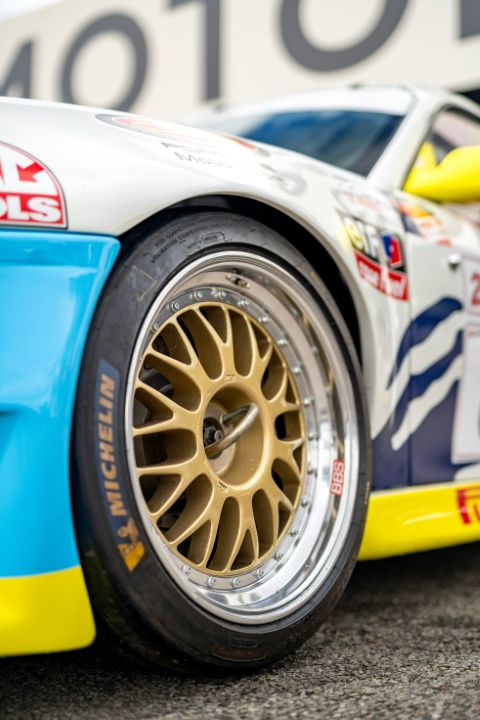
The most prevalent motivations of enthusiasts to resort to Porsche 997 Wheel Spacers are aesthetic. Most factory cars, regardless of their performance qualifications, are fitted with wheels recessed too far in the wheel wells. This conservative arrangement creates an unsightly space between the tire and the fender, giving the impression that the car is made narrow or undersized at the back. This is especially evident in performance cars that may have wide bodywork, where the wheels will just not fit in the space offered by the arch.
Spacers make the tire have less distance between the tire and the fender lip by pushing the wheel outwards, giving it a more aggressive and intentional stance. It can make any vehicle look planted and muscular immediately, and this is achieved by this transformation. This change is practically necessary to the owners of definite sports cars whose wheel offset could be excessively high in such a way that it can no longer be fitted into the bodywork. As an example, the factory setup is often significantly improved by many of the owners.
To people who desire to have their wheels sticking even more to the very extreme of the lip of the fender and that desirable wide-body appearance, Porsche 997 Wheel Spacers are, in most cases, the easiest way to make that desired level of aggressive flush appearance without necessarily changing the whole wheel assembly.
The 997 Silhouette: This is more so in the Porsche 997, where the famous wide-body hips of the Carrera 4S models or Turbo models can render regular wheels as “tucked” or missing within the gigantic wheel arches. Spacers lower the gap between the fender lip and tire, pushing the wheel outwards. This change puts the 997 firmly rooted and muscular at first sight. Porsche 997 Wheel Spacers are most effective in providing the owner with that aggressive look of wheels fitting the edge of the fender perfectly, without having to spend a lot of money on buying an entirely new set of wheels.
Why the “Flush” Look Matters
- Visual Balance: It eradicates the poke (tires sticking out) or tuck ( tires hidden) difference.
- Aggressive Stance: It makes the car look sporty and track worthy.
- Wheel Design Showcase: It extends the face of the wheels to the outside so that the images of the spokes can be more pronounced and not be buried in the shadow of the wheel well.
2. The Science of Handling: Wider Track Width
Beyond aesthetics, installing wheel spacers on a Porsche 997 provides tangible performance benefits that go deeper than just a visual upgrade. Spacers properly fitted actually enlarge the width of the track of the vehicle, the distance between the centerlines of the left and right tires. A broader track tends to be beneficial in the dynamics of vehicles.
The Stability Principle
Consider a fast sports vehicle as compared to a tall and narrow SUV. The sports car is broad and low, and this does not allow the body to roll over when taking a corner.
The main effect of expanding the width of the track with spacers is to effectively increase the lever arm on which the lateral forces will be applied during cornering.
- Less Body Roll: A broader track implies that a car resists more when it is turning over.
- Better Grip: With a broader contact patch on the road surface, which is achieved by pushing the tires outwards, the contact patches could increase mechanical grip during hard cornering.
- Better Turn-In: According to some drivers, turn-in response is sharper with the wider stance because the front end no longer feels as much planted and receptive to steering input.
It should be noted, though, that the geometry is enhanced, but not the suspension geometry. Spacers will not reduce the center of gravity; they merely give the wheels a nudge. Thus, stability can be enhanced, but the weight transfer of the vehicle is retained.
3. The Critical Role of Hub-Centricity
It is not that all of the Porsche 997 Wheel Spacers are similar, and it is at this point that the secret to enhanced handling turns into a matter of safety in case it is not taken into consideration. The difference between the hub-centric and lug-centric spacers is first.
- Hub-Centric Spacers: These have been designed to fit well over the hub flange of the vehicle. The hub supports the weight of the vehicle and not the wheel studs. It is the only safe choice of high-performance driving.
- Lug-Centric Spacers: These work entirely on the wheel studs to position the wheel and to hold the weight. This may result in vibration, uneven motion of tires, and even stud failure during hard cornering.
In a car such as the Porsche 997 that experiences a lot of lateral G-forces, no concessions can be made on the use of hub centric spacers. They make sure that the wheel can be rotated completely in line with the axis, which removes vibrations during highway speeds.
4. Pros and Cons of Installing Wheel Spacers
There is a need to consider the benefits and the negative effects before making a decision on whether to install Porsche 997 Wheel Spacers.
The Pros
- Aesthetics: Performs an immediate enhancement of the appearance of the car by stuffing the wheel arches.
- Clearance: This means that one can install larger brake calipers, which may not fit within the inside of the factory wheel spokes.
- Track Width: The larger the stance, the more stable and the less the body roll.
- Backspace Adjustment: Adjusts backspacing in case of changing wheels that have a different offset than the stock.
The Cons
- Bearing Wear: As the track width is increased, the load is moved slightly further outboard on the wheel bearing. This may be an accelerating factor in bearing wear, but the effect is frequently small in the case of street use.
- Scrub Radius: This is a change in the track width, and this changes the scrub radius, increasing steering effort and kickback.
- Fender Rubbing: When the spacers are excessively thick, the tire can contact the fender liner or outer lip when compressing or turning the suspension.
- Maintenance: Spacers come with the added components that have to be checked and torqued on a regular basis to be on the safer side.
5. Slip-On vs. Bolt-On Spacers
There are two levels of spacers when you choose in the category of spacers: the slip-on or the bolt-on type.
Slip-On Spacers
It is the case of mere discs sliding over the already positioned wheel studs. They are generally made in thinner sizes (usually 5mm to 15mm).
Modification to 997 owners: A popular purist installation to the 997 is staggered, e.g., 5mm in the front and 12mm or 15mm in the rear. This preserves the steering of the 911 with an accent put on the rear wide-body appearance. Make sure that you employ longer lug bolts to ensure there is appropriate thread engagement.
- Condition: You have to have long enough wheel studs that will stick through the spacer and get into the number of threads you need on the lug nut. Otherwise, longer wheel studs will have to be fitted.
Bolt-On Spacers
These spacers are directly screwed to the hub of the vehicle with their own lug nuts. They have new threaded studs engraved on the spacer. You mount your wheel then on these new studs.
- Optimization: These are needed in the thicker widths (typically 20mm and more) since they do not necessitate any adjustments to the factory studs. They are usually regarded as being less difficult to install and to remove.
6. Installation and Safety Considerations
The first consideration in changing parts that are important to vehicle dynamics is safety. Porsche 997 Wheel Spacers are not very difficult to install, although the process requires accuracy.
Installation Steps
- Clean the Hub: The surface of the hub should be clear of rust, dirt, and debris. Any flaw in this case may result in an uneven sitting of the wheel.
- Check Fitment: Attach the spacer to the hub so that it fits in place.
- Torque Specs: With a torque wrench, tighten the spacer nuts to the specs of the manufacturer. It is generally about 80-90 ft-lbs, although it should always be checked with the spacer manufacturer.
- Re-Torque: Retighten the lug nut torque after driving 50-100 miles. They can tend to loosen slightly after the initial installation when compressed with metal.
To the critical enthusiast, the ideal is to always improve on the driving experience without affecting the safety or reliability. Be it to fix some offset problems, clear big brake kits, or even just to get that ideal wide-body appearance, the quality of the components will make a significant difference. Precision-engineered components like Porsche 997 Wheel Spacers will ensure that the upgrade is safe, vibration-free, and has the capacity to accommodate both the street and the track. When sourcing spacers and related components, it pays to use a supplier that specializes in the platform and understands the precise tolerances Porsche demands. Genuine and quality-matched Porsche spare parts ensure compatibility with the 997’s hub geometry, stud pattern, and torque specifications, reducing the risk of fitment issues down the line.
FAQs
Does a wheel spacer influence ride quality?
The quality of rides is usually not adversely affected by wheel spacers. Indeed, they can make the car feel less like it is on its tippy-toe in corners by making the width of the track wider. Nevertheless, bad quality or incorrectly attached spacers may result in vibrations, which resemble the bad ride quality.
Are wheel spacers safe to be used on the highway?
Yes, as long as they are hub-centric, manufactured of high-quality materials (such as forged aluminum), and fitted with the right torque requirements. You are also expected to make sure that your wheel studs are of the right size to ensure adequate thread engagement.
Should an alignment follow installing wheel spacers?
The wheel spacers only vary the track width but not the angles of alignment (camber, caster, toe) directly. Nevertheless, due to the change in the scrub radius, there are those fans who want a realignment to have the best tire wear and handling traits.
What are the right wheel spacing sizes?
This is reliant on your existing wheel offset and the distance between your tire and fender. The typical point of entry is 10mm to 15mm to create a subtle flush appearance, where 20mm and above is common to create a more aggressive, wide stance. Always quantify before making a purchase.