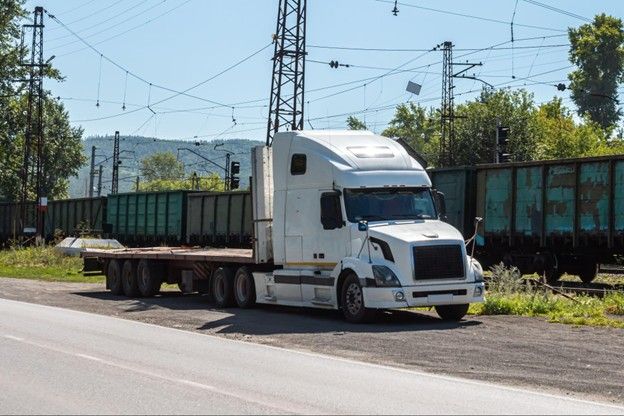
 A non-running semi-truck can feel like a dead asset, but it still holds value in the right market. The key is knowing where buyers see potential, whether that comes from usable parts, rebuild opportunities, scrap metal, or fleet demand. Selling well is less about luck and more about matching your truck to the type of buyer most likely to pay fairly.
Understand What Your Truck Is Worth Before Listing It
Before you try to sell your semi-truck for cash, it helps to understand what buyers are actually paying for. A non-running semi is rarely priced like a complete working vehicle, so value usually depends on age, make, model, title status, engine type, and the condition of major parts. A truck with a failed engine may still be worth good money if the frame, cab, transmission, or tires are in usable shape.
Gather the VIN, mileage, maintenance records, title details, and recent photos before speaking to buyers. It also helps to note why the truck stopped running, but keep the explanation direct and factual. A clear picture of the truck’s condition makes it easier to get fair offers and reduces the chance of buyers lowering the price later due to missing information.
Consider Specialty Truck Buyers First
Specialty truck buyers are often the most practical option for owners who want speed and simplicity. These companies buy commercial trucks in many conditions, including wrecked, worn-out, and non-running units. Because they understand the resale and salvage side of the market, they can often make faster decisions than general vehicle buyers.
Another major benefit is convenience. Many of these buyers can arrange pickup or towing, which matters when the truck cannot move on its own. The highest offer does not always come from this route, but it often provides the cleanest process for sellers who want to avoid delays, repeated negotiations, and unreliable inquiries.
Compare Salvage Yards And Parts Buyers Carefully
Salvage yards can be a strong option when the truck has major mechanical problems or heavy wear that makes a normal resale less likely. In many cases, the causes of big-rig breakdowns can also affect which parts still hold value, since some failures damage only one major system while leaving other components in usable condition. These buyers usually focus on reusable parts, scrap value, and demand for commercial truck components. Items such as axles, doors, sleepers, tanks, and transmissions can influence the final offer more than the truck’s appearance.
Offers can vary more than many sellers expect. One yard may base the deal mostly on weight, while another may place more value on parts that can be resold. Reaching out to several buyers is worth the effort because even a small difference in how they assess the truck can lead to a much better result.
Explore Private Buyers If The Truck Has Desirable Parts
Private buyers can sometimes pay more than salvage yards, especially when the truck has a respected brand name or parts that are expensive to replace. Rebuilders, owner-operators, export buyers, and repair shops may all be interested in a non-running semi if they believe the problem can be fixed without high cost. This tends to happen more often with models that have steady demand in the used market.
The downside is that private sales usually require more time and patience. You may need to answer repeated questions, schedule inspections, and deal with buyers who negotiate hard once they arrive. Being direct about the truck’s condition helps filter out people who are not serious and makes the process easier to manage.
Use Auctions When There Is Competitive Demand
Auctions can be useful when a truck has broad appeal, and there is a realistic chance that several buyers will compete for it. This option often works best for newer non-running trucks, fleet units, or known models with strong demand for parts and rebuilds. Online heavy equipment auctions also make it easier to reach buyers outside your local area.
Still, auctions are not automatically the best path for every seller. Fees, transport costs, and uncertain bidding can reduce what you actually take home. Before choosing this route, check the auction’s past heavy-truck results and understand exactly what charges will come out of the final sale price.
Prepare The Truck To Increase Buyer Confidence
You do not need to repair the truck to make it easier to sell, but presentation still matters. Clean out the cab, remove loose items, gather paperwork, and take clear photos in good light. Buyers want to see the truck honestly, including the interior, engine area, tires, and any visible damage.
It also helps to describe the truck in plain language. Mention what works, what does not, whether the engine turns over, and whether important systems are complete. Buyers respond better to direct information than vague selling language, and that often leads to more serious offers.
Choose The Best-Selling Option Based On Your Priorities
The best place to sell a non-running semi-truck depends on what matters most to you. If speed and ease matter most, specialty truck buyers are often the most practical route. If the truck is mainly useful for parts, salvage yards may make more sense. If the model is desirable and you are willing to wait, a private buyer or auction could bring in more money.
The best value is not always the highest number on paper. Towing costs, time spent waiting, paperwork, and the risk of failed deals all affect the final outcome. When you compare buyer types carefully and stay realistic about the truck’s condition, you give yourself the best chance of turning a non-running asset into a worthwhile return.