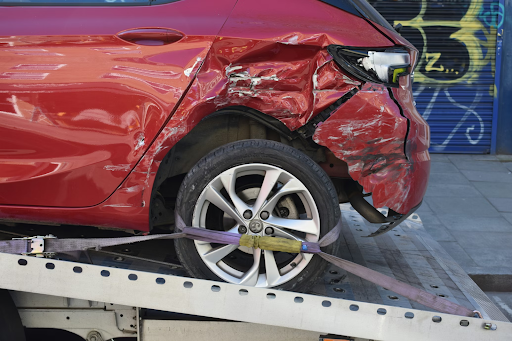
 No one expects to be in a car accident. One moment you’re driving along, and the next, everything changes. It’s scary, stressful, and overwhelming. But what you do in those first few minutes can make a huge difference for your health, your vehicle, and your ability to get fair compensation later.
The good news is that knowing the right steps ahead of time takes away some of that panic. This guide walks you through exactly what to do after an accident so you can protect yourself from the very start.
Ensure Safety and Assess the Situation
Your first priority is always safety. Before anything else, take a breath and assess what’s happening around you.
Move to a Safe Location if Possible
If your car is still drivable and you’re not seriously hurt, try to move it out of traffic. Pull over to the side of the road or into a parking lot. Turn on your hazard lights right away to alert other drivers. If you can’t move the vehicle, get yourself and your passengers away from the road. Standing near active traffic is dangerous, especially on busy highways.
Check Yourself and Passengers for Injuries
Once you’re in a safe spot, check yourself first. Are you in pain? Can you move normally? Then check on everyone else in your vehicle. Ask them how they feel and look for any visible injuries. If someone seems seriously hurt, don’t try to move them unless there’s immediate danger like fire or oncoming traffic.
Contact Emergency Services and Authorities
Once everyone is safe, it’s time to call for help.
When to Call Emergency Services
If anyone is injured, call emergency services immediately. Even if injuries seem minor, it’s better to have medical professionals assess the situation. You should also call if there’s significant damage to any vehicle. In many places, you need a police report to file an insurance claim, so having authorities on the scene is important.
Provide Accurate Information to Responders
When you call, stay calm and give clear information. Share your location using street names, landmarks, or GPS coordinates. Tell them how many vehicles are involved and whether anyone appears hurt. Stay on the line until the dispatcher says help is on the way.
Document Everything at the Scene
This step is crucial. The more evidence you gather now, the stronger your position will be later.
Gather Essential Information from All Parties
Talk to the other drivers involved. Get their full names, phone numbers, and addresses. Ask for their insurance company names and policy numbers. Write down their vehicle registration details and driver license numbers. Stay polite but thorough. This information is essential for any claims you file.
Capture Photographic and Video Evidence
Pull out your phone and start taking pictures. Photograph the damage to all vehicles from different angles. Capture the overall scene including road conditions, traffic signs, and skid marks. If you have visible injuries like cuts or bruises, photograph those too. This visual evidence can be incredibly valuable later.
Record Witness Details
Did anyone see what happened? Witnesses can provide an unbiased account of the accident. Ask for their names and contact information. If they’re willing, have them briefly describe what they saw while it’s still fresh in their minds.
Seek Medical Attention Even Without Obvious Injuries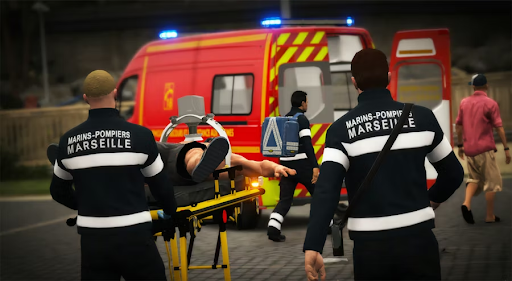
Here’s something many people don’t realize. You might feel fine right after an accident but have injuries you don’t know about yet.
Why Delayed Symptoms Are Common
When you’re in an accident, your body floods with adrenaline. This natural response can mask pain for hours or even days. Injuries like whiplash, concussions, and internal bruising often don’t show symptoms immediately. That’s why it’s so important to see a doctor even if you feel okay at the scene.
Create a Medical Record for Your Claim
Beyond your health, medical documentation serves another purpose. It creates a clear link between the accident and your injuries. If you wait too long to see a doctor, insurance companies might argue that your injuries happened some other way. Keep all your medical receipts, reports, and records organized in one place.
Understanding how medical evidence supports your compensation claim can feel complicated. Speaking with a car accident lawyer early in the process helps you understand your rights and ensures your documentation is thorough enough to support your case.
Notify Your Insurance and Understand Your Options
With safety handled and evidence gathered, it’s time to deal with the paperwork.
Report the Accident Promptly
Contact your insurance company as soon as you can. Most insurers want to hear from you within 24 to 48 hours. When you report, stick to the facts. Describe what happened without guessing about who was at fault. Speculation can hurt your claim later.
Know What Your Policy Covers
Take some time to review your insurance policy. Understand what’s covered for vehicle repairs, medical costs, and rental cars while yours is being fixed. Know the difference between comprehensive coverage and third-party insurance. This knowledge helps you set realistic expectations for your claim.
When Additional Support May Be Necessary
Sometimes claims get complicated. Maybe the other driver disputes what happened. Maybe your injuries are more serious than you first thought. In these situations, having professional guidance makes a real difference. Understanding your legal options early gives you more control over the outcome.
Conclusion
Accidents are stressful, but being prepared makes them more manageable. Remember the key steps. Get to safety first. Call for help. Document everything you can. See a doctor even if you feel fine. Report to your insurance promptly.
These actions protect both your health and your rights. Save this guide somewhere handy or share it with friends and family. Hopefully, you’ll never need it. But if you do, you’ll be ready to handle the situation with confidence.
Frequently Asked Questions
How soon should I report an accident to my insurance company?
You should report the accident within 24 to 48 hours. Most insurance policies require prompt notification, and waiting too long could affect the validity of your claim or delay the process.
Can I file a compensation claim if the accident was partially my fault?
Yes, in many cases you can still file a claim even if you share some responsibility. The compensation you receive may be reduced based on your percentage of fault, but partial responsibility doesn’t automatically disqualify you.
What if the other driver leaves the scene?
Try to note as many details as possible like their license plate number, vehicle make, model, and color. File a police report immediately and contact your insurance company. Hit-and-run accidents are serious, and reporting quickly increases the chances of finding the other driver.
Should I accept a settlement offer from an insurance company right away?
Be cautious about accepting quick settlement offers. Insurance companies sometimes offer fast payouts before you fully understand the extent of your injuries. It’s wise to wait until you know the complete picture of your medical needs and losses before agreeing to any settlement.