 When driving in wet conditions, few hazards are as treacherous as hydroplaning. This phenomenon occurs when a layer of water builds up between the road surface and your vehicle’s tires, causing a loss of traction that can result in a dangerous skid. One of the most significant factors in preventing hydroplaning is the tread depth of your tires. In this blog, we’ll explore the relationship between tire tread depth and hydroplaning, providing you with crucial insights to ensure your safety on the road. This guide is particularly relevant for drivers in Calgary, where variable weather conditions make proper tire maintenance essential.
Understanding Hydroplaning: What It Is and Why It Happens
Hydroplaning occurs when your tires encounter more water than they can disperse. As a result, the tires lose contact with the road surface and instead glide on top of the water, leading to a complete loss of control over the vehicle. This can happen even at relatively low speeds, depending on factors such as the amount of water on the road, your tire’s tread depth, and the speed at which you’re driving.
Why Hydroplaning Happens:
– Water Depth: The more water on the road, the higher the risk of hydroplaning. Even a thin layer of water can cause a vehicle to hydroplane if the tires are unable to disperse it quickly enough.
– Speed: The faster you drive, the less time your tires have to channel water away from the road surface. Speeding in wet conditions significantly increases the risk of hydroplaning.
– Tire Condition: Worn tires with shallow tread depth are less effective at channeling water away from the road, making hydroplaning more likely.
In a city like Calgary, where rain and melting snow can create hazardous driving conditions, understanding the role of tire tread depth is crucial for safe driving.
The Role of Tread Depth in Preventing Hydroplaning
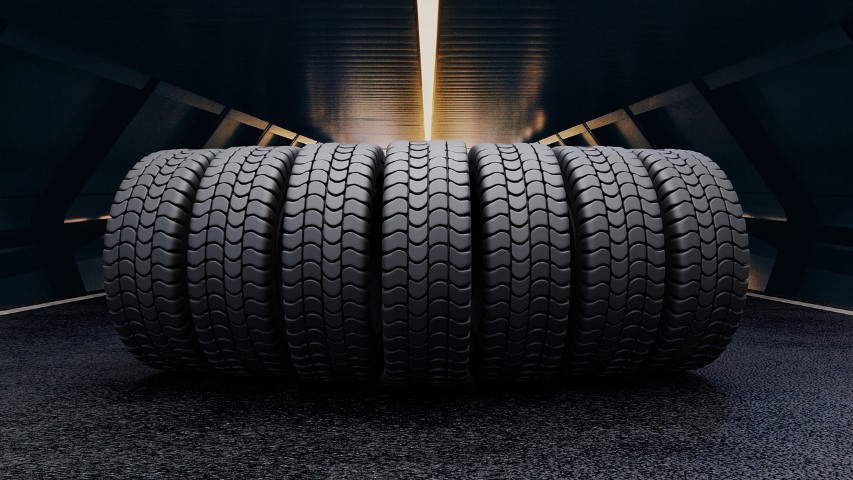
Tire tread is designed to channel water away from the tire’s contact patch, the part of the tire that touches the road. The deeper the tread, the more water the tire can disperse, reducing the likelihood of hydroplaning. When tire tread becomes worn down, its ability to move water decreases, and the risk of hydroplaning increases.
How Tread Depth Affects Hydroplaning:
– Water Evacuation: Tire treads have grooves that help channel water out from under the tire. The deeper these grooves, the more effectively they can handle larger volumes of water. When the tread depth is reduced, these grooves become less capable of moving water, leading to a higher risk of hydroplaning.
– Traction and Grip: Tread depth directly impacts the tire’s grip on the road. Deeper treads provide better traction in wet conditions, helping to maintain contact with the road surface and prevent hydroplaning.
– Stopping Distance: Tires with adequate tread depth not only reduce the risk of hydroplaning but also improve stopping distance in wet conditions. Worn tires increase the stopping distance, which can be critical in avoiding accidents during sudden braking.
Regularly checking the tread depth of your Calgary tires is essential for maintaining safe driving conditions, especially during the wet seasons.
How to Measure Tire Tread Depth
Measuring your tire tread depth is a simple yet effective way to ensure your tires are safe and capable of handling wet conditions. There are several methods you can use to check your tread depth, with the most common being the coin test and using a tread depth gauge.
Methods to Measure Tread Depth:
1. The Coin Test:
– Insert a coin (a quarter works well) into the tread grooves of your tire.
– If the top of the Queen’s head is visible, your tread depth is below 4/32 inches, and it’s time to consider replacing your tires.
2. Tread Depth Gauge:
– A tread depth gauge is a simple tool that can provide an accurate measurement of your tire’s tread depth.
– Insert the probe into the tread groove and read the measurement. A tread depth of 6/32 inches or more is ideal for safe driving in wet conditions.
3. Tread Wear Indicators:
– Most modern tires come with tread wear indicators, which are small raised bars located in the grooves of the tire tread.
– When the tread wears down to the level of these bars, it’s time to replace the tire.
Regularly checking the tread depth of your Calgary tires can help you avoid the dangers of hydroplaning and ensure you have enough traction to drive safely in wet conditions.
The Legal and Recommended Tread Depths
In Canada, the legal minimum tread depth for passenger vehicles is 1.5 millimetres (approximately 2/32 inches). However, driving on tires with such minimal tread depth is not advisable, especially in wet conditions where hydroplaning is a risk.
Legal vs. Recommended Tread Depth:
– Legal Minimum: The legal minimum tread depth of 1.5 mm is the point at which your tires are considered unsafe by law. At this depth, your tires are at high risk of hydroplaning and should be replaced immediately.
– Recommended Depth: Tire experts recommend replacing your tires when the tread depth reaches 4/32 inches (approximately 3.2 mm). At this depth, your tires can still disperse water effectively, reducing the risk of hydroplaning and providing better traction in wet conditions.
By adhering to these recommendations, you can ensure your Calgary tires are always in optimal condition for safe driving.
Choosing the Right Tires for Wet Conditions
While maintaining adequate tread depth is crucial, choosing the right type of tire can also make a significant difference in preventing hydroplaning. Some tires are specifically designed for wet conditions and offer superior water dispersion capabilities.
Tire Types for Wet Conditions:
– All-Season Tires: These tires are designed to provide adequate performance in a variety of conditions, including wet roads. However, they may not offer the same level of protection against hydroplaning as tires specifically designed for wet weather.
– Summer Tires: Summer tires typically have fewer grooves and a more rigid rubber compound, providing excellent traction on dry roads but potentially less effective in heavy rain.
– Wet Weather Tires: Some tires are specifically engineered for wet conditions, featuring deeper grooves and a softer rubber compound that enhances traction and water dispersion. These tires are ideal for drivers in Calgary who frequently encounter wet roads.
When selecting tires, consider your driving habits, the typical weather conditions in Calgary, and consult with a tire professional to choose the best option for your needs.
Conclusion: The Key to Safe Driving in Wet Conditions
The relationship between tire tread depth and hydroplaning is clear: the deeper the tread, the lower the risk of losing control in wet conditions. Regularly checking your tread depth, understanding the legal and recommended limits, and choosing the right tires for Calgary’s variable weather are all essential steps in ensuring your safety on the road.
Don’t wait until it’s too late—make sure your Calgary tires are ready to handle the wettest conditions. By maintaining proper tread depth and selecting the right tires, you can reduce the risk of hydroplaning and drive with confidence, no matter the weather