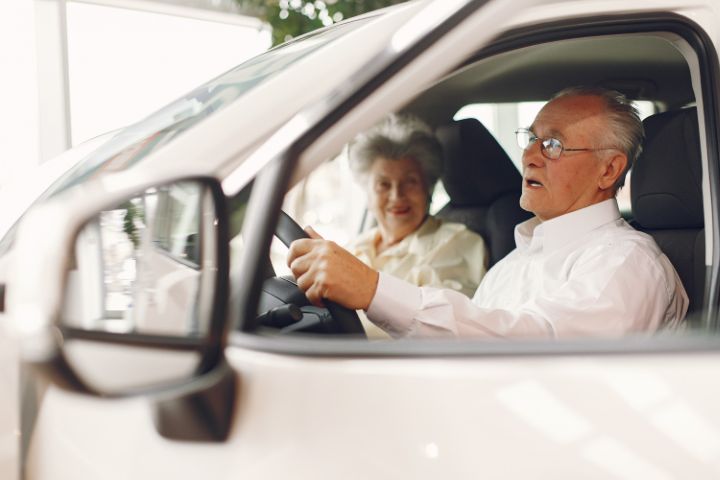
Maintaining independence often starts with the ability to grab the keys and head out on the open road. In a state as vast as this one, having a vehicle is often a necessity for staying connected to the community and managing daily life.
Age brings wisdom but also physical changes that can eventually impact the reaction times required for safe navigation. Families often struggle with the delicate balance of respecting a loved one’s autonomy while also ensuring that everyone on the highway remains protected from harm.
State officials focus on actual performance rather than just the number of birthdays a person has celebrated. This is why there is no formal upper age limit to drive in Texas, as the evaluation process relies on functional ability instead of arbitrary dates.
Families researching senior driving safety may also benefit from reviewing how driving test preparation builds safer drivers and supports stronger awareness behind the wheel.
Navigating Renewal Procedures for Older Texans
Once a resident reaches the age of seventy nine, the process for keeping a license becomes more hands on. Unlike younger drivers who can handle everything through a website, seniors must visit a local office in person to complete their specific renewal applications.
These visits are not meant to be an interrogation but a simple check to ensure basic physical health. A vision test is a mandatory part of the experience, as maintaining clear sight is the most fundamental requirement for staying safe behind the wheel of a car.
Clerks at the station are trained to look for obvious signs of physical struggle that might impair a person’s ability to operate a motor vehicle safely. If a person passes these basic screenings, they are usually cleared to continue their travels without any further delays.
The Role of Medical Professionals in Safety Assessments
Healthcare providers play a significant role in the oversight process because they see patients in a clinical setting regularly. If a doctor notices a significant decline in cognitive function or physical coordination, they have a professional responsibility to report these findings to the state.
This reporting system acts as a safeguard to prevent individuals from operating heavy machinery when their health is in question. It is a confidential process designed to prioritize the safety of the driver and the public over the convenience of having a permanent license.
The state reviews these medical reports carefully before making any decisions about a person’s legal status as a driver. Often, these assessments result in a request for more testing rather than an immediate revocation, allowing for a fair and balanced look at the person’s health.
The Texas Department of Public Safety also outlines license renewal requirements and vision testing procedures for older drivers across the state.
Utilizing Restricted Licenses for Continued Mobility
Losing a license does not always have to be an all or nothing situation for seniors who are still capable in certain environments. The state often issues restricted licenses that allow people to drive only during daylight hours or within a specific radius of their own primary residence.
These constraints help mitigate the risks associated with night blindness or the confusion that can come with navigating unfamiliar and busy highway systems. By limiting the scope of travel, the state allows seniors to maintain their mobility for essential tasks like grocery shopping.
Mechanical aids can also be a part of these restrictions, requiring the use of specialized mirrors or foot controls to compensate for physical limitations. These custom solutions ensure that a person can stay active in their community while still adhering to strict safety standards.
Responding to Official Safety Challenges
When a driver’s safety is called into question by a family member or a law enforcement officer, a formal re-evaluation may be triggered. This process involves a more detailed look at the person’s driving history and a possible road test to check current skill levels.
During these evaluations, an officer observes how the individual handles intersections, lane changes, and the various stressors of modern traffic. It is a practical assessment of whether the person can still process information quickly enough to avoid collisions and react to the unexpected actions.
The outcome of this evaluation determines if the person can keep their license, add new restrictions, or if it is time to retire from driving. It is a difficult moment for many, but the goal is always to prevent a tragedy before it actually happens.
Conclusion
The philosophy of the state is rooted in the idea that age alone does not dictate a person’s ability to be a safe operator. By focusing on vision, physical health, and actual road performance, officials can make informed decisions that respect the dignity of older residents.
Families should engage in open conversations about road safety long before a crisis occurs to make the transition easier for everyone involved. Having a plan for alternative transportation ensures that a senior can still live a full life even if they eventually stop driving a car.
Ultimately, the system is designed to keep the roads safe while acknowledging the deep importance of individual mobility in our society. Regular checkups and honest self assessments are the best ways for seniors to stay behind the wheel for as long as it remains safe.