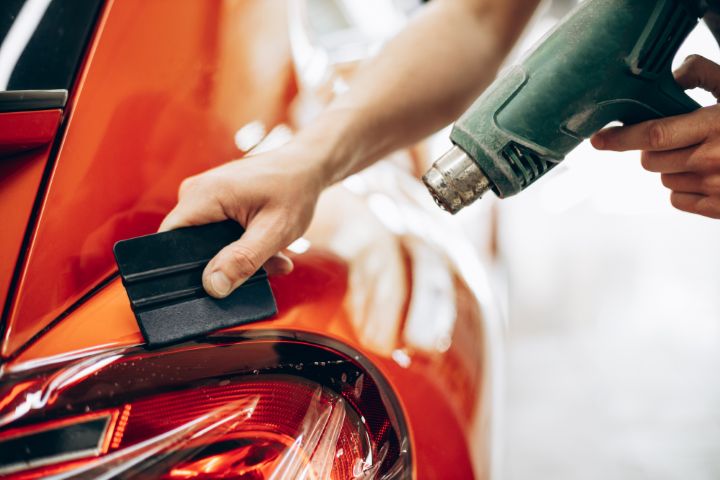
 Sometimes you catch your reflection in your car door — sun hitting it just right — and notice that something has changed. Something that used to look better. Yes, that’s the quiet wear showing up.
Most people don’t realize how much their paint goes through daily — tiny hits, sun exposure, all the little things stacking up. Over time, it adds up, dulls the finish, chips the edges, drags down value. That’s why locals start looking into car paint protection film in Jacksonville. It’s always about smart prevention, though.
The Hidden Damage Your Car Faces Every Day
It’s not one big event — it’s a hundred small ones. Blink and you miss them, but your paint sure doesn’t.
- Road debris and small stones: Every drive kicks up grit — tiny rocks tapping your bumper and hood. You don’t hear most of it, but it’s happening.
- UV exposure and fading: Florida sun? That’s a full-time job right there. It slowly breaks down the clear coat, fades color, leaves things looking tired.
- Dirt and chemicals: Road grime, bugs, salt residue — typical issues. These sit on the surface and eat away if left alone too long.
- Minor scratches and wear: Washing, brushing against the car, even dust — over time, it all creates fine scratches. You see them in direct light, and once you notice, well, you can’t unsee it.
Why This Damage Adds Up Faster Than You Think
Here’s the part people underestimate. It’s not just that damage happens — it’s how it stacks.
- Daily exposure compounds over time: One day? Nothing. A year? That’s hundreds of exposures layered on top of each other.
- Small chips become visible damage: Tiny nicks turn into noticeable spots, especially on darker paint. And then your eye goes straight to them every time.
- Paint loses shine and depth: That glossy, almost wet look fades. It’s subtle at first — then one day it’s just not there like it used to be.
- Resale value decreases: Buyers notice paint condition immediately. Even minor wear can knock down perceived value more than you’d expect.
It sneaks up on you, honestly. Like humidity fogging up windows — you don’t see it coming, then suddenly you’re wiping everything down.
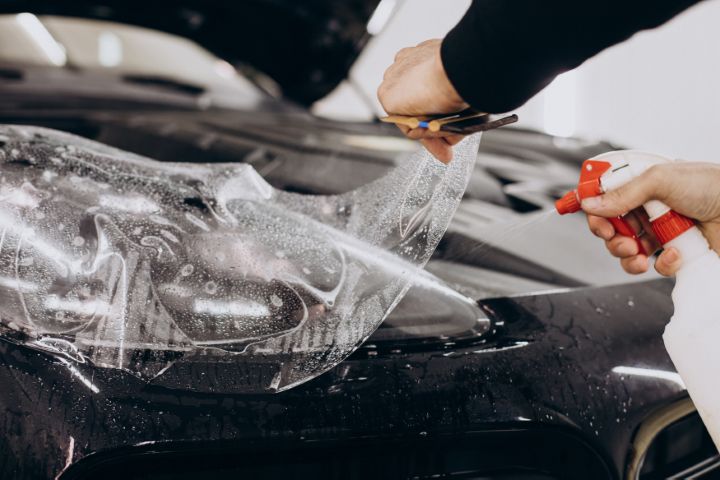 How Paint Protection Film Works
Now this is where things get practical. Because once you understand the problem, the solution’s pretty straightforward.
- PPF acts as a protective barrier: Paint protection film sits on top of your paint, clear and nearly invisible. It takes the hits so your paint doesn’t have to.
- PPF absorbs minor impacts: Those little rock taps? The film absorbs and disperses the energy. Not magic — just good material science.
- PPF prevents scratches and chips: Everyday contact — dust, washing, light abrasions — gets handled by the film instead of your paint.
- PPF preserves original paint: Underneath, your paint stays in the condition it was when the film went on. That’s the whole idea.
So if you’re wondering how paint protection film works, it’s basically a shield — thin, flexible, and doing a lot more than it looks like it should.
Why More Car Owners Are Using PPF
This isn’t just for high-end cars anymore. More people are catching on — probably because the math makes sense.
- Long-term protection: Instead of fixing damage later, you’re preventing it upfront. Less stress, fewer surprises.
- PPF maintains appearance: That clean, glossy look sticks around longer. Your car keeps that just detailed vibe without constant effort.
- PPF reduces maintenance: Easier washing, less worrying about every little scratch. Not zero effort but definitely less.
- PPF protects resale value: When it’s time to sell or trade in, well-kept paint makes a difference. Sometimes a bigger one than folks expect.
It’s one of those upgrades that doesn’t scream for attention but quietly pays off over time.
Conclusion
Understanding what happens to your car’s paint over a year of driving changes how you look at it. It’s not just wear — it’s accumulation. Every mile, every parked afternoon in the sun, every quick rinse in the driveway — it all leaves a mark, even if you don’t see it right away.
And look, you don’t have to obsess over it. But knowing the process? That gives you options. Whether you go with protection or just stay more aware, at least you’re not guessing anymore.
Because once the damage shows, it’s already been there a while. And fixing it? Well, that’s usually more work than preventing it in the first place.
FAQ
What damages car paint?
Road debris, UV rays, dirt, chemicals, and everyday wear all contribute. It’s usually a combination, not just one thing.
How does paint protection film work?
It creates a clear barrier over your paint that absorbs impacts and prevents scratches,
helping preserve the original finish.
Is PPF worth it?
For many car owners, yes — especially if you want to maintain appearance and value over time. It’s a preventative investment.
How long does PPF last?
Typically 5 to 10 years depending on quality and care. Florida conditions can be tough, but good film holds up well.
Does PPF prevent scratches?
It prevents most minor scratches and chips. Heavier impacts can still get through, but it significantly reduces everyday damage.