Modern vehicles use sensors and software to help drivers avoid trouble. Those features only work when the sensors see the road correctly. That is where the ADAS windshield calibration helps after glass work or collision repairs.
What ADAS Calibration Means
Advanced Driver Assistance Systems use cameras, radar, and other sensors to track lanes, vehicles, and obstacles. ADAS calibration is the process of aiming and validating those sensors so the data they send matches the vehicle’s geometry and direction of travel. Software verifies alignment against fixed targets or real road cues so lane keeping, adaptive cruise, and automatic braking behave as designed.
Why Windshields Matter
Many forward cameras sit on the windshield or in a bracket connected to the glass. Replace the windshield, and the camera angle can change by a tiny amount. That can shift what the camera thinks is straight ahead. The result can be late braking, choppy lane assist, or warnings that come at the wrong time. That is why windshield camera calibration is part of quality glass service today.
When Recalibration Is Required
You do not need calibration on a schedule. You need it whenever the relationship between sensors and the vehicle changes. Common triggers include:
- Windshield replacement or removal of the camera housing
- Front bumper, grille, or mirror work touching radar or side cameras
- Suspension, alignment, tire size, or ride height changes
- Collision repairs and frame straightening
- Replacement of a camera, radar unit, or control module
- Persistent dashboard messages about driver assistance features
Windshield Replacement And Safety
Drivers often ask if windshield calibration is necessary after new glass. Yes. If the camera angle is off, your car may misread lanes, signs, and traffic. Driving with a cracked windshield can reduce visibility and weaken structural support, which makes prompt repair and calibration even more important. Fix the glass and plan for recalibration right after the install.
Static Vs Dynamic Methods
Automakers outline two main approaches. Technicians follow the vehicle procedure as written and use professional scan tools.
- Static calibration happens in the shop with the car parked. Targets are placed at measured distances on a level surface. The system confirms alignment.
- Dynamic calibration happens on the road. A scan tool puts the system into learn mode while the vehicle is driven under set conditions. The software fine-tunes alignment as it observes lane lines, traffic, and signs.
Some vehicles call for both. Others only use one method. The right method is listed in the service information for your model.
How To Pick A Capable Shop
Not every repair shop handles ADAS recalibration correctly. Look for technicians trained on your make and model who use certified scan tools and calibration targets. Ask if the shop performs both static and dynamic methods, depending on manufacturer requirements. Lighting, floor levelness, and workspace setup all affect accuracy. Request documentation of the procedure and test results before you drive away.
For precise work, partnering with local auto glass specialists who understand how sensor alignment interacts with safety technology can make a real difference.
What Is Windshield Recalibration?
Windshield recalibration and ADAS calibration both refer to the process that verifies the forward camera’s position and view after work on the glass. Think of it as resetting the camera’s reference to match the vehicle’s centerline and horizon.
According to the National Highway Traffic Safety Administration, driver assistance technologies could prevent thousands of crashes each year. In 2023 alone, more than 1,964 people in the Canada lost their lives in motor vehicle accidents, many linked to human error. Accurate sensor calibration keeps those systems working as intended and helps reduce those risks.
Why A Windshield Needs To Be Calibrated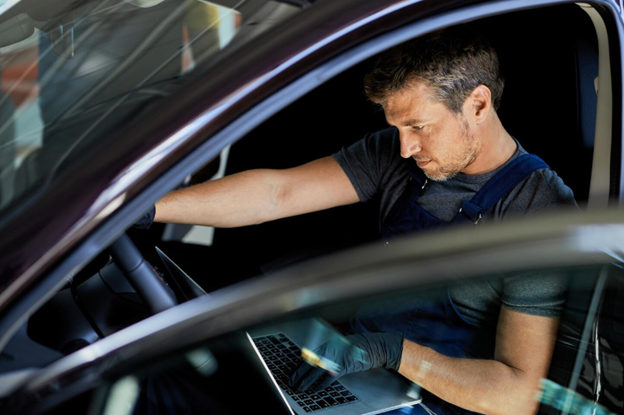
Modern cameras read lane markings that are inches wide at highway speeds. A slight tilt can move the field of view yards off target down the road. That error grows with distance. Calibrating brings the camera back to where it belongs, so braking, steering support, and alerts happen when they should.
Typical Steps In An ADAS Windshield Calibration
The specifics vary by brand. The table below summarizes common stages.
| Calibration Stage | What Happens | Notes For Owners |
| Prechecks | Tire pressures and ride height are set. The vehicle is free of cargo that changes posture. Windshield area is clean. | These basics help the system read the world accurately. |
| Target Setup Or Drive Conditions | Shop sets targets at precise distances, or a road route is chosen with clear lane lines and steady speeds. | Conditions must match factory instructions for your car. |
| Scan Tool Commands | The system enters calibration mode and records new reference points. | The process is guided on-screen step by step. |
| Verification | A test drive or system test confirms that features are responding correctly. | You should get a record of completion. |
Practical FAQs About Calibration
- Recalibration after windshield replacement? Plan for it the same day as the install when a forward camera is present.
- Why does a windshield need to be calibrated? To restore the camera’s sight line so safety features work properly.
- Is windshield calibration necessary if there was no warning light? Yes, a camera can be slightly off without setting a code.
- Time: Many jobs finish within a couple of hours, but timing depends on the vehicle and method used.
- Cost: Pricing varies by model and method and is often itemized separately from glass parts and labor.
Real-World Signs Something Is Off
After glass work or body repairs, watch how the car behaves. If adaptive cruise surges or drops back unpredictably, if lane keeping nudges when you are centered, or if the forward collision alert triggers with no one ahead, book a check. A small misalignment can cause those behaviors. Another hint is dirty or fogged glass near the camera. Keep that area clean. Minor glare or pitting often points to surface wear, and addressing windshield scratches early helps maintain clear vision for sensors and drivers alike.
The Bottom Line
ADAS features help avoid crashes, but only when the sensors point where the car is going. After glass replacement, collision repair, or suspension changes, schedule calibration so the systems stay trustworthy. If you want to keep reading about car care and upgrades, explore more guides at Gauge Magazine.