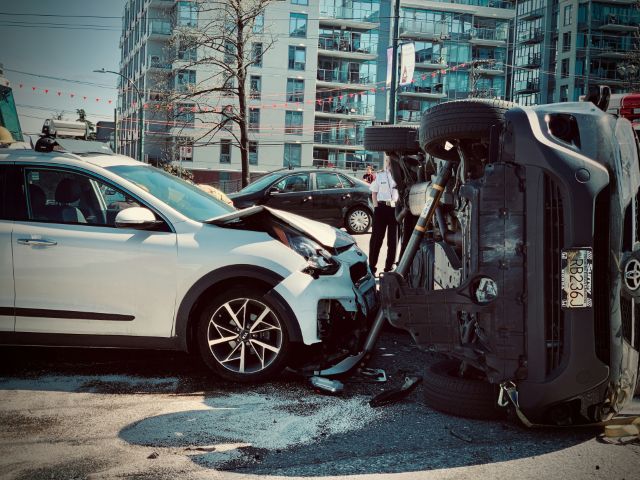
 When you’re involved in a car accident, evidence can make or break your case. Whether you’re filing an insurance claim or pursuing legal action, proper documentation is essential for proving fault, demonstrating the extent of damages, and securing fair compensation. Car accident lawyers stress the importance of acting quickly to collect and preserve critical information. Knowing what type of evidence you need, however, isn’t always easy. Your attorney will provide you with more information about the types of evidence specific to your case, but generally, accident victims should gather:
- Police reports
- Photos and videos
- Witness statements
- Medical records and bills
- Proof of lost wages
- Vehicle repair estimates
Your attorney can also help you obtain other types of evidence, like cell phone records, expert testimony, and footage from nearby surveillance cameras.
Police Reports: The Foundation of Your Case
One of the most important pieces of evidence is the police report. When law enforcement arrives at the scene, they will document the details of the accident, note any traffic violations, and provide their opinion about fault. This report provides an unbiased third-party account, which can be invaluable when dealing with insurance companies or presenting your case in court. Request a copy of the police report as soon as it’s available.
Photographic and Video Evidence
Visual evidence can provide undeniable proof of what happened. Take clear photos of the accident scene, vehicle damage, road conditions, traffic signs, and any visible injuries. If possible, record a video showing the entire scene, including skid marks, debris, and weather conditions. Dashcam footage, surveillance cameras, and even bystander videos can further support your claim.
Witness Statements
Eyewitness testimony can be a powerful tool in car accident cases. If anyone saw the crash, ask for their contact information and a brief statement about what they observed. Independent witnesses can help validate your version of events, especially if the other party disputes liability. A car accident lawyer can use witness statements to strengthen your claim.
Medical Records and Bills
If you suffered injuries, your medical records will play a critical role in proving the extent of your damages. Seek medical attention immediately after the accident, even if you feel fine, as some injuries take time to manifest. Keep copies of hospital records, doctor’s notes, prescriptions, and physical therapy reports. These documents establish a direct link between the accident and your injuries, helping your Bloomington car accident attorney build a strong case.
Vehicle Damage Reports and Repair Estimates
Insurance companies assess damage reports to determine compensation for repairs or vehicle replacement. Get a professional mechanic’s evaluation of your car’s damage and keep all repair invoices. If the vehicle is totaled, documentation from the insurance company stating its value can support your claim for fair compensation.
Cell Phone Records
If distracted driving played a role in the accident, cell phone records can serve as evidence. A lawyer can subpoena these records to show whether the at-fault driver was texting or making a call at the time of the crash. This type of evidence can be crucial in proving negligence.
Traffic and Surveillance Camera Footage
If the accident occurred at an intersection or in a commercial area, traffic cameras or security cameras from nearby businesses may have captured the incident. This footage can provide clear evidence of fault. Request copies of any available recordings as soon as possible, as many businesses delete surveillance footage after a short period.
Expert Testimony
In complex cases, expert witnesses may be necessary to interpret evidence. Accident reconstruction experts analyze factors like speed, braking distance, and impact angles to determine how the crash occurred. Medical experts can testify about the severity of your injuries and their long-term impact. Economic experts may be used to calculate lost wages and future medical expenses. A car accident attorney can help secure the right experts for your case.
Proof of Lost Wages
If your injuries prevent you from working, you may be entitled to compensation for lost income. Provide pay stubs, tax returns, and a letter from your employer confirming missed workdays and the impact on your earnings. Self-employed individuals can use invoices, contracts, and financial statements to demonstrate lost business opportunities.
Personal Journal or Daily Log
Keeping a daily journal detailing your injuries, pain levels, and emotional struggles can help illustrate the accident’s impact on your life. This documentation can be valuable in cases involving pain and suffering claims. Courts and insurance adjusters consider personal testimony when determining non-economic damages.
Why Strong Evidence Matters
A well-documented case gives you leverage when negotiating with insurance companies or presenting your claim in court. Without solid evidence, insurers may downplay your injuries or dispute liability, reducing your settlement amount. Car accident lawyers stress the importance of acting quickly, as some evidence—such as surveillance footage and witness statements—can become unavailable over time.
Navigating a car accident case can be overwhelming, especially when dealing with injuries and financial strain. A Bloomington car accident attorney can help collect and present evidence, negotiate with insurance companies, and represent you in court if necessary.