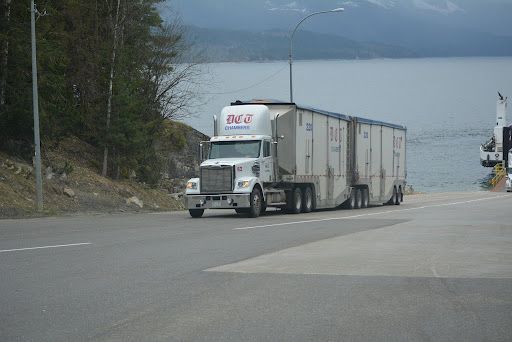
 Freight lorries need strong systems to handle load, especially on fast and hilly routes. When the setup that slows the wheels does not work correctly, the results can be sudden and very serious. The unit may take a long time to come to a halt, slide across the surface, or lose control completely due to Brake Failure. Situations like this put the person driving and everyone nearby at real risk. How well a rig slows down depends not only on the hardware, but also on the surroundings.
Wear From Heavy Use
Trucks that roll over long distances slowly lose strength, even when they are built for hard work. Pads, drums, lines, and other pieces that help slow the rig are under pressure whenever the unit moves with a full load. If the company does not plan regular visits to the workshop, small defects can grow over time. A thin lining, a cracked hose, or leaking fluid can turn into a serious fault when the driver suddenly needs full braking strength at high speed.
Poor Weight Placement
When a unit carries more mass than the label allows, the parts that help bring the wheels to a stop have to work harder every time. Heat builds up, surfaces can glaze, and the connections that grip the drums or discs can lose strength. In addition, the boxes that are stacked high at the back can shift when the vehicle turns. This can make the truck sway in a way the driver did not expect.
Low-Grade Hardware
Some serious road events occur due to flaws inside pads, hoses, valves, or other pieces. A lorry can arrive at the workshop on time and still receive parts that do not meet set benchmarks. When one of these gives way while the truck moves at high speed, the person behind the wheel may not have enough time or distance to avoid a crash.
Makers and sellers of hardware have a duty to provide items that meet safety rules for commercial road use. When a flaw in design or production leads to a breakdown, the company that created or supplied the part may share legal responsibility. Reviews in these cases may look at recall notices, test results, and quality control steps at the factory.
Paperwork and Digital Data
Service sheets, inspection notes, trip logs, tracking files, and workshop bills can all show how the vehicle was treated during daily use. When these records are placed side by side, patterns can appear. People may see regular care, late visits, repeated warnings from mechanics, or skipped steps that were never corrected.
Sharing Responsibility
Serious road events that involve a loss of braking strength rarely come from the actions of one person alone. The driver, the company that owns the rig, shops that work on the unit, loaders who place the cargo, and makers of parts can all play a role. The good news is that a reliable agency like the Dimopoulos Injury Law Firm looks at every piece of the chain. They not only prevent the blame from being placed on one person, but also help picture how the crash occurred in the first place.
Endnote
Loss of halting strength in large vehicles is almost always the result of several linked factors. Seeing how each mistake fits into the full picture helps explain how similar harm can be avoided in the future.