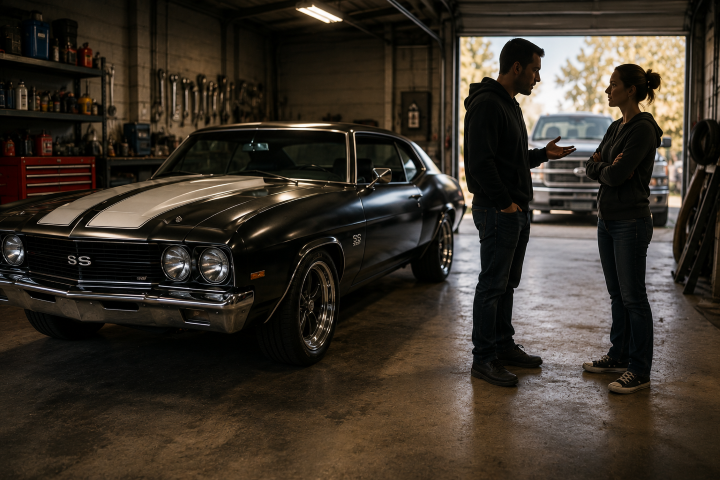
Car culture often looks like weekend shows, clean builds, long nights in the garage, road trips, local meets, and the satisfaction of keeping a vehicle exactly the way an owner wants it. Behind that visible side, however, many vehicles are tied to household routines, shared money, storage space, insurance records, and long-term responsibilities. A car may be used for work during the week and displayed at events on the weekend. A truck may carry tools, parts, children, groceries, or equipment. A project build may sit in a garage that belongs to a household rather than one individual alone. When private life becomes strained, those vehicle-related details can become part of a much larger problem.
This matters because automotive ownership is rarely limited to the person holding the keys. Payments, titles, repairs, registrations, loan agreements, custom parts, and insurance policies can involve more than one person, even when only one person is truly attached to the vehicle. A build that feels personal may still be connected to shared finances. A daily driver may be essential to one person’s work schedule while another person depends on it for family transportation. When conflict reaches that point, it can interrupt routines that once felt normal. For people who care about their cars, protecting the vehicle also means thinking clearly about the responsibilities around it.
Automotive enthusiasts who invest significant time and money into their vehicles may also benefit from reading our guide on who gets the car in a divorce, which explores ownership, titles, loans, and vehicle-related responsibilities when personal circumstances change.
Vehicle Disputes And Legal Clarity
When a household becomes divided, the practical details surrounding vehicles can become difficult to manage. One person may rely on a car for commuting, while another may need the same vehicle for childcare, errands, medical appointments, or business use. If the car is financed, both people may worry about payments, credit damage, and who has the right to keep it. If the vehicle has been modified, restored, or maintained with shared funds, questions about value can become even more complicated. What once seemed like a simple arrangement can turn into a disagreement involving access, money, safety, and responsibility.
This is where a family lawyer becomes relevant in a direct and practical way. According to www.familyguidancelegal.com, a family lawyer can help address disputes involving shared property, financial obligations, parenting schedules, and household responsibilities when those issues connect to transportation. In an automotive context, that may include questions about who keeps a vehicle, who remains responsible for loan payments, how insurance should be handled, and how transportation needs fit into broader household arrangements. The goal is not to treat the vehicle like an afterthought. It is to make sure the people involved do not create avoidable problems with credit, documentation, access, or legal responsibility while trying to sort out a difficult personal situation.
Shared Ownership Can Create Real Complications
Shared vehicle ownership can become confusing when the paperwork does not match the way people actually use the car. One person may make most of the payments, while both names appear on the title. Another person may rarely drive the vehicle but remain listed on the loan or insurance policy. In other situations, a vehicle may be titled to one person even though both contributed money toward repairs, upgrades, or purchase costs. These details matter because informal agreements can fall apart when trust breaks down. Without clear records, each person may remember the arrangement differently.
The risks are not only emotional or inconvenient. Missed payments can hurt credit. Insurance changes can expose both people to financial risk. Registration problems can make a vehicle difficult to use or sell. A repair bill may sit unpaid because each person believes the other should handle it. In car culture, those problems can become even sharper when a vehicle includes custom work, aftermarket parts, specialty paint, performance upgrades, or rare components. A standard market estimate may not reflect the actual investment made into the vehicle. Receipts, photos, service records, build sheets, and appraisal documents can become important when people need to prove value or responsibility.
Custom Builds Need Strong Documentation
A custom vehicle is often more than a possession. It can be a record of labor, taste, patience, and money spent over time. Someone may have spent years collecting parts, replacing panels, tuning the engine, upgrading the suspension, reworking the interior, or preparing the vehicle for shows. Those investments can be hard to measure if records are scattered or missing. A build may look finished from the outside, but the real value may be hidden in the details. Specialty fabrication, rare wheels, performance components, audio systems, paint correction, and professional labor can all affect what the vehicle is worth.
Good documentation helps reduce confusion when personal conflict affects ownership or access. Receipts show who paid for parts and service. Photos can prove condition before and after modifications. Appraisals can help establish value beyond a basic resale estimate. Insurance records can show whether the vehicle was properly covered for its actual condition. Storage agreements can also matter if the vehicle is kept at a shop, in a rented garage, or on property shared by more than one person. For automotive enthusiasts, keeping organized records is not only useful for resale or shows. It can also protect the work and money invested in a vehicle when private circumstances become complicated.
Vehicle owners interested in protecting their investment should also review our article on why a vehicle history check matters more than a test drive, which highlights the importance of accurate ownership and maintenance records.
Transportation Affects Work And Family Routines
Vehicles are often central to ordinary responsibilities. A person may need a reliable car to get to work, reach job sites, meet clients, pick up children, attend appointments, or maintain a small business. When a household dispute affects access to that vehicle, the problem can quickly extend beyond inconvenience. Losing reliable transportation may affect income, scheduling, parenting responsibilities, and basic independence. Even a temporary disagreement over who uses the car on certain days can create real pressure when both people depend on it.
That is why practical planning matters. People should avoid making sudden decisions that create more trouble, such as cancelling insurance without coordination, hiding keys, removing plates, refusing necessary documents, or letting payments lapse out of frustration. Those actions may feel like control in the moment, but they can create larger financial and legal issues. A better approach is to keep records, communicate in writing when possible, protect the vehicle from damage, and avoid actions that make the situation harder to resolve. For car owners, especially those with modified or valuable vehicles, calm documentation is often more useful than quick reactions.
Keeping The Vehicle And The Bigger Picture Protected
When personal disputes affect automotive property, the best response is usually practical, organized, and focused on preventing further damage. A vehicle can represent transportation, income, personal identity, and years of investment. It may also be connected to shared debt, insurance obligations, parenting routines, and household stability. Treating the vehicle casually during a serious disagreement can create problems that last long after the immediate conflict fades. Owners should know where the title is, who is listed on the loan, how the insurance is structured, and what records exist for repairs or upgrades.
The Consumer Financial Protection Bureau (CFPB) provides resources on loans, credit obligations, and financial responsibilities that can become important when shared assets and vehicle ownership are involved in household disputes.
Car culture values care, detail, and responsibility, and those same values apply when private life creates pressure around vehicle ownership. Whether the issue involves a daily driver, a work truck, a weekend cruiser, or a custom build, clear records and careful decisions can help protect both the vehicle and the people connected to it. Personal conflict does not have to turn automotive property into chaos. When ownership, use, payments, and documentation are handled with care, the vehicle has a better chance of remaining protected while the larger household issues are addressed.