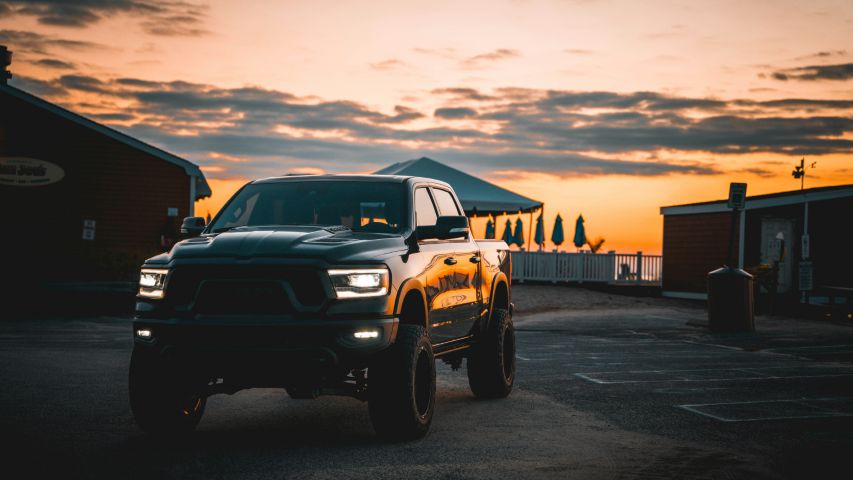
 A lifted show truck can stop traffic before it even rolls. Big wheels, extra ride height, and the right stance give a build the presence people remember at the gas station and at the event gate. The problem starts after the photos. Many trucks leave the shop looking tougher but driving softer, slower, and more strained than they did on stock rubber.
The usual culprit is not the lift itself. The bigger change often comes from tire diameter. Once a truck jumps from factory-size tires to 35s or 37s, the factory axle gears no longer multiply torque the way they did before. The truck still moves, but it does more work to get there.
Bigger Tires Change the Final Drive
A taller tire covers more ground with every revolution. That sounds great on paper, but it also reduces the truck’s effective final-drive ratio. Put another way, the drivetrain behaves as if it has taller gearing than the axle tag suggests.
A simple example shows how fast the math moves. A truck geared at 3.73 with 33-inch tires can feel much closer to a low-3.30 setup once it jumps to 37s. The engine now turns fewer revs at a given road speed, but the truck also loses leverage on the pavement. The lost leverage shows up every time you pull away from a stoplight.
If you want a quick way to see the change before buying parts, plug your numbers into a gear ratio calculator and compare your current tire size with the one you plan to run.
 Why the Truck Feels Lazy
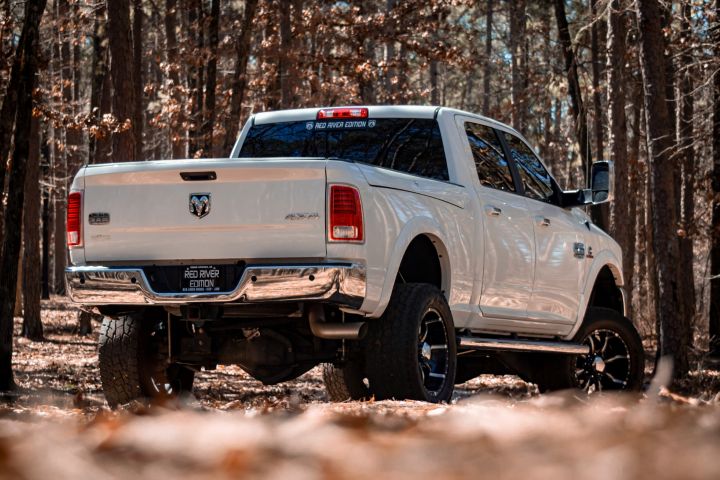
Most owners describe the problem the same way: the truck feels heavy. That feeling comes from the basic mechanical disadvantage. Larger tires increase the distance from the axle centerline to the road, so the drivetrain needs more torque to create the same push.
The change shows up in several places. Launches get softer. The transmission hunts more often. Highway cruising can look calmer on the tach, but the engine may sit farther from its sweet spot, especially with a heavy wheel-and-tire package. Automatic trucks can build more heat because the torque converter works harder to get the mass moving. Even the speedometer can drift if nobody recalibrates the setup, which we touched on in our piece about whether lifted trucks are street legal.
Re-Gearing Brings the Truck Back
Re-gearing restores the torque multiplication that the truck lost when the tire diameter grew. Achieving a numerically higher axle ratio, e.g., moving from 3.73 to 4.56 or 4.88, lets the engine climb back into a more useful rpm range under load. Acceleration feels sharper, downshifts calm down, and the truck feels more willing, rather than constantly dragging the build uphill.
That does not mean every lifted show truck needs extreme gears. The right ratio depends on tire size, transmission gearing, vehicle weight, and how you use the truck. A highway cruiser on 35s may want something different from a full-size build on 37s that hauls audio equipment, passengers, and a bed full of display hardware. Our guide to lifting your truck covers the visual and suspension side of the build, but the axle ratio deserves the same level of planning.
The Best Show Trucks Still Drive Right
A clean lifted truck should do more than park pretty. It should leave the lot without feeling winded, cruise without constant hunting, and respond when the driver asks for more power. Builders often spend a lot of money on paint, wheels, suspension, and interior work. Re-gearing deserves a place on that same checklist because it protects the driving character that made the truck fun in the first place.