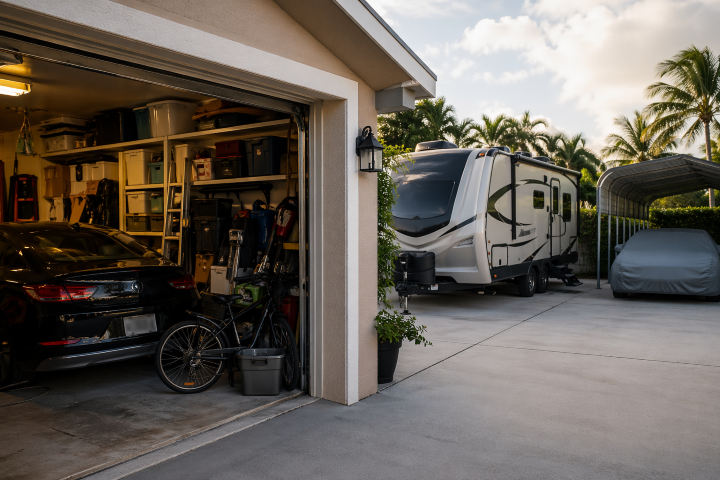
 Space has a way of disappearing. One day your garage feels expansive and practical, and the next it’s crowded with tools, seasonal gear, and vehicles that no longer fit as neatly as they once did. This shift often happens gradually. A new project car. A second vehicle. Outdoor equipment. Over time, what was designed for convenience becomes a source of frustration.
When your garage reaches its limits, it’s not just about space. It’s about functionality, protection, and maintaining the value of what you own. Understanding what happens next—and how to respond—can save time, money, and unnecessary stress.
The Slow Creep of Clutter and Congestion
Garages rarely become overcrowded overnight. Instead, items accumulate in layers. A set of tools expands into multiple toolboxes. Seasonal decorations grow year after year. Vehicles that once rotated in and out now remain parked indefinitely.
At first, the changes seem manageable. You reorganize. You install shelves. You promise to declutter later. But eventually, space runs out.
This congestion leads to practical problems:
- Limited room to park vehicles safely
- Reduced accessibility to tools and equipment
- Increased risk of damage from tight spaces
- A general sense of disorganization
What was once a functional extension of your home becomes a compromised storage zone.
When Vehicles Become the Primary Issue
For many homeowners, the tipping point is vehicle-related. Cars, trucks, motorcycles, or recreational vehicles take up the most space. When you can no longer park comfortably, the garage loses its core purpose.
This creates a ripple effect. Vehicles may be left outside, exposed to weather. Maintenance becomes harder to manage. Even simple tasks—like opening doors fully or moving around—become inconvenient.
And if you own more than one specialized vehicle, the problem compounds. A daily driver and a project car can coexist for a while. Add another vehicle, and the balance shifts quickly.
The Hidden Cost of Limited Space
An overcrowded garage doesn’t just feel inconvenient—it can quietly cost you.
Vehicles stored improperly are more vulnerable to:
- Weather damage (sun, rain, humidity)
- Dust and debris buildup
- Accidental scratches or dents
- Mechanical wear from inactivity
Tools and equipment also suffer. Poor organization leads to misplaced items, duplicate purchases, and wasted time searching for what you need.
There’s also a mental cost. A cluttered space often leads to frustration and avoidance. Instead of enjoying your projects or hobbies, you spend time working around limitations.
Why Organization Alone Isn’t Always Enough
Many people attempt to solve space issues with better organization. Shelving systems, wall mounts, and storage bins can help. They create structure and improve accessibility.
But organization has limits.
If the core issue is volume—too many items or too many vehicles—no amount of rearranging will create the space you need. You can optimize, but you can’t expand beyond physical constraints.
At this stage, the solution shifts from reorganizing what you have to rethinking where everything should go.
Expanding Beyond the Garage
When your garage can no longer support your needs, it’s time to consider external options. This doesn’t mean giving up control. It means creating a system that works better.
Some common approaches include:
- Decluttering and removing unused items
- Rotating seasonal equipment off-site
- Relocating secondary vehicles
- Using dedicated storage facilities
The goal is not simply to free up space. It’s to restore functionality. A garage should be usable, not just full.
RVs, Larger Vehicles, and the Storage Challenge
Recreational vehicles introduce a unique set of challenges. They are large, valuable, and often used seasonally. Unlike standard vehicles, RVs require more space, proper positioning, and protection when not in use.
Storing an RV at home can quickly overwhelm a garage—or even make it impossible to use the space for anything else. Driveways and street parking are not always viable long-term solutions, especially when considering local regulations or weather exposure.
This is where dedicated storage becomes essential. Finding a reliable, local option allows owners to protect their investment while freeing up valuable space at home. For example, searching for RV storage units in Punta Gorda, FL connects vehicle owners with solutions tailored to their specific needs, including security, accessibility, and appropriate space for larger vehicles.
The same principle applies to boats, trailers, and additional cars. When your garage can’t accommodate everything, external storage ensures that each vehicle is kept in conditions that support its longevity and usability.
The Importance of Choosing the Right Storage Solution
Not all storage options are equal. The right choice depends on what you’re storing and how often you need access.
Key factors to consider include:
Accessibility
You should be able to retrieve your vehicle or equipment without difficulty. Convenient access hours and location matter more than you might expect.
Security
Look for facilities with surveillance, controlled access, and well-maintained premises. Vehicles and equipment represent significant investments.
Space and Fit
Different vehicles require different types of storage. Make sure the facility can accommodate your specific dimensions comfortably.
Protection
Covered or enclosed storage options provide better protection against weather and environmental damage.
Choosing the right solution is about more than convenience. It’s about preserving value and reducing long-term risk.
Reclaiming Your Garage for Its Intended Purpose
Once excess items and vehicles are relocated, the difference is immediate. Your garage becomes usable again. Parking is easier. Movement feels natural. Tasks that once felt frustrating become simple.
This transformation often leads to better habits. With more space, it’s easier to maintain organization. Projects become more enjoyable. The garage returns to being a functional part of your home, rather than a storage overflow.
It’s not just about aesthetics. It’s about efficiency and usability.
Creating a Sustainable System Moving Forward
Solving a space problem once is helpful. Preventing it from happening again is even better.
A sustainable system includes:
- Regular decluttering intervals
- Clear boundaries for what stays in the garage
- Dedicated storage for seasonal or rarely used items
- Thoughtful planning before acquiring new equipment or vehicles
These practices ensure that your garage remains functional over time. Without them, it’s easy to fall back into old patterns.
When More Space Equals More Freedom
Space influences how you use your environment. When you have enough of it, everything becomes easier. You can focus on your projects, maintain your vehicles properly, and move without restriction.
When space is limited, even simple tasks feel complicated.
Addressing a full garage is not just about storage—it’s about improving how you interact with your space. By recognizing when your garage is no longer enough and taking practical steps to adapt, you create a more efficient and enjoyable environment.
Conclusion
A garage that no longer meets your needs is a common challenge, but it’s also an opportunity to reassess how you use space. By identifying the root of the problem and exploring practical solutions, you can restore order and functionality without unnecessary compromise. The right approach ensures that your space works for you, not against you, creating a setup that supports both your daily routine and long-term needs.